
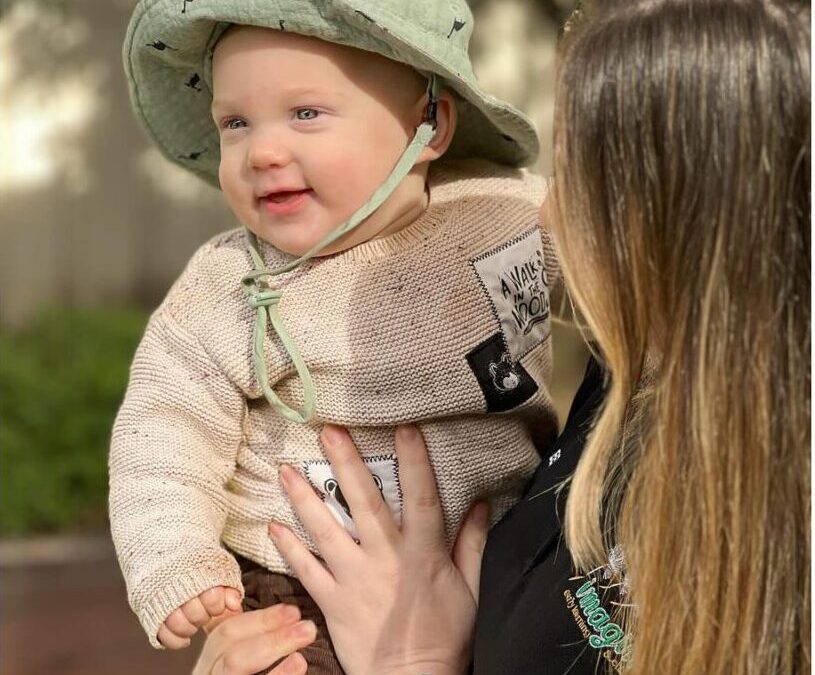
Tips for Dropping Your Child Off at Daycare: A Parent’s Guide
Starting daycare or preschool is a huge milestone for children and their families.
It’s the beginning of new friendships, exciting learning opportunities, and a chance for your child to develop independence. But along with the excitement, it’s normal for both children and parents to feel a little nervous, especially during those early drop-offs.
If your toddler is crying at daycare drop-off, experiencing separation anxiety, or you’re preparing to drop your child off at preschool for the first time, you’re not alone. Many families face similar challenges. The good news is that there are tried-and-true strategies to make the transition smoother.
At Imagine Early Learning, we support families every step of the way, helping both children and parents feel confident during drop-off.
Understanding Separation Anxiety and Daycare Drop-Off
Separation anxiety is a normal stage of development, especially in babies and toddlers. It usually peaks between 18 months and 3 years of age, but it can reappear at any time a child is adjusting to a new environment, such as starting daycare or moving to a preschool room.
When your toddler cries at daycare drop-off or resists saying goodbye, it doesn’t mean they dislike daycare. It means they’re still learning to trust that you’ll always come back. Over time, with consistent support, children develop confidence and feel secure in their new environment.
Research indicates that forming secure attachments with educators helps reduce anxiety and provides children with a “secure base” from which to explore and learn (Bowlby, 1969; NSW Department of Education, 2020).
That’s why strong, trusting relationships between children and educators are at the heart of everything we do.
What to Expect at Daycare Drop-Off
Here’s a snapshot of what drop-off usually looks like at Imagine Early Learning:
-
Warm Welcome – A familiar educator greets you and your child, building trust and creating a predictable routine.
-
Gentle Separation – A quick but loving goodbye (a cuddle, reassuring words, and a confident exit) gives your child security.
-
Supportive Environment – If tears happen, educators provide comfort and quickly involve your child in engaging activities. Most children settle within minutes once they’re distracted and having fun.
-
Communication – Families receive updates throughout the day through Storypark or our communication platform. You can always call to check in if you’re feeling worried.
Tips for Daycare Drop-Off
If you’re preparing for that first day or dealing with daycare drop-off, crying or regression, these strategies can help:
- Talk About Daycare at Home – Introduce the idea positively by talking about educators, new friends, and fun activities. Storybooks like “Llama Llama Misses Mama“ or “The Kissing Hand“ can also help children understand separation.
- Create a Consistent Routine – Arrive around the same time each day and establish a short goodbye ritual, perhaps a hug, a kiss, and a wave from the window.
- Stay Calm and Confident – Children pick up on your emotions. If you linger or appear anxious, they may feel unsettled. A calm, confident goodbye shows your child that daycare is a safe place.
- Be Patient with the Process – Adjusting takes time. Some children settle within days; others may take a few weeks. Regression (where a child suddenly struggles with drop-off after initially doing well) is also common during life changes, like a new sibling or holiday break. Stay consistent and trust that this phase will pass.
- Partner with Educators – Share information about your child’s comfort items or routines. Whether it’s a favourite teddy, blanket, or song, these familiar things can make transitions easier.
Practical Tips by Age Group
Every child responds differently to separation, and age plays a big role in how they adjust. Here are some tips tailored to each stage:
Babies (Under 2 Years)
-
Bring a comfort item, such as a muslin cloth, soft toy, or blanket with your scent.
-
Build familiarity by attending orientation visits together.
-
Trust the educators—babies quickly pick up on your confidence.
-
Share details of your baby’s home routine (feeding, naps, comfort cues) so educators can mirror them.
Toddlers (2–3 Years)
-
Use short, predictable goodbyes—a hug, kiss, and wave. Avoid sneaking out.
-
Discuss daycare positively, emphasising friends, fun, and activities.
-
Offer small choices (like carrying their own bag or choosing a toy to bring).
-
Stay consistent, even if regression occurs after holidays or big changes at home.
Preschoolers (3–5 Years)
-
Involve them in the plan—explain what will happen and when you’ll be back.
-
Acknowledge their feelings if they express concern or worry. Reassure without dismissing.
-
Encourage independence—let them hang up their bag or unpack their lunchbox.
-
Stay positive and highlight the exciting parts of the day, such as story time or outdoor play.
Coping with Daycare Drop-Off Regression
Even after a smooth start, toddlers and preschoolers may go through periods of resistance to daycare drop-off. This regression is normal and often linked to developmental changes, growth spurts, or disruptions at home.
The best way to handle it is with patience, consistency, and open communication with your child’s educators.
Reassurance for Parents
It’s not just children who find drop-off emotional—many parents do too. Remember, it’s okay to feel a little sad after saying goodbye. You’re giving your child the opportunity to grow, learn, and build resilience in a supportive environment.
At Imagine Early Learning, our educators are here to partner with you. We value strong relationships with families and are committed to helping every child feel secure, happy, and ready to learn.
Final Thoughts
Dropping your toddler off at daycare for the first time—or navigating separation anxiety during preschool drop-offs—can feel overwhelming. But with patience, consistency, and support from caring educators, your child will learn that daycare is a safe and joyful place.
If you ever have concerns about how your child is settling in, reach out to your child’s educators. You are not alone in this journey—we’re here to support you every step of the way.
References
-
Bowlby, J. (1969). Attachment and Loss, Vol. 1: Attachment. New York: Basic Books.
-
NSW Department of Education. (2020). Supporting children’s transition to early childhood education and care.
-
Raising Children Network. (2023). Separation anxiety in toddlers and children.
-
Early Childhood Australia. (n.d.). Transitions and continuity of learning and development.